The best ways to find airline job openings online are specialized aviation job boards like Aviation Job Search, JSfirm, and AeroScout, applying directly through airline career websites, searching general job portals like Indeed and LinkedIn, and joining airline cadet or pathway programs that recruit pilots before they finish training.
Each method surfaces different openings, so the most effective search uses all four.
Together, these channels cover thousands of positions for pilots, cabin crew, mechanics, and ground staff worldwide. Whether you’re hunting for your first aviation job or making a move, knowing where each type of opening actually gets posted saves you weeks of scattered searching.
Here’s how each channel works and when to use it.
If Your Goal is to Become an Airline Pilot Apply Here
If you’re goal is to be an airline pilot then there are two places you’ll need to apply. One is with the airline directly. The other is through Airline Apps.
Airline Apps
When you’re looking for your first airline pilot job this is likely where you’ll need to start.
Airline Apps is an application tool used by many airlines including SkyWest, Avelo, Frontier, PSA, and many more. You’ll fill out an application on Airline Apps and then select which airlines you’d like to apply to.
It’s important to note that you can continue to update your application. This isn’t a tool where you submit your application once and then wait.
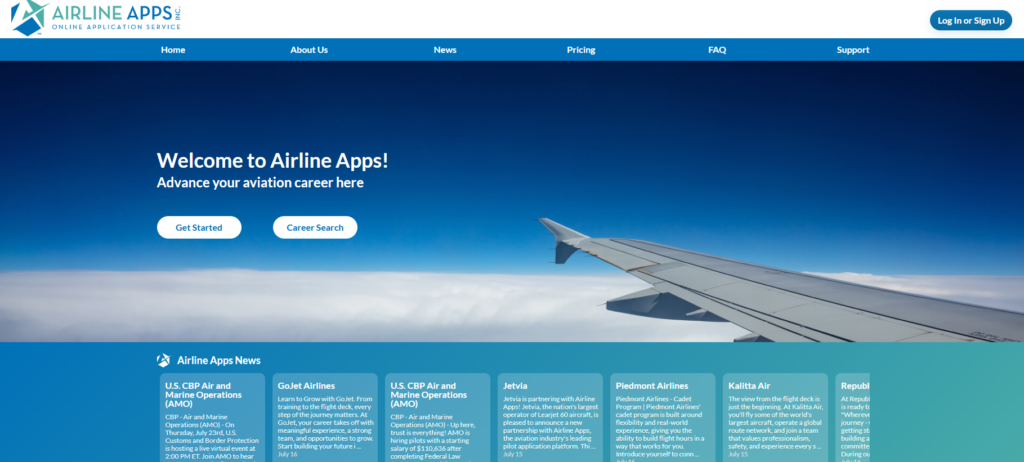
Create your profile and then continue to update your application as you gain flight hours and new experience.
It is highly recommended that you pay for a profile review from an independent company. They’ll review your resume as well as your application on Airline Apps and advise you on what to change. They may also offer interview prep which you should participate in before you’re actual interview with any airline.
Airline Career Pages
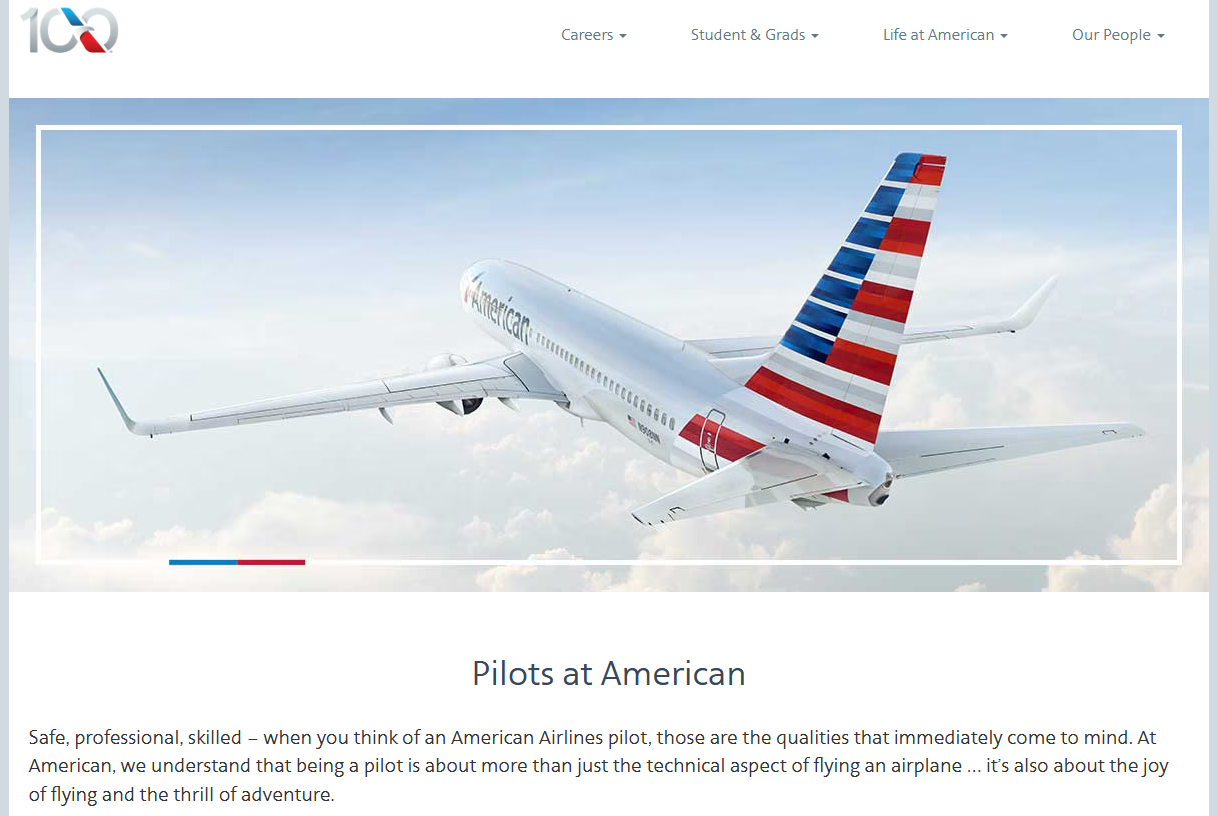
Airline career pages get openings first, before boards and aggregators pick them up. For pilots and cabin crew targeting specific carriers, this is the most reliable source of fresh listings.
Most airlines link their careers section from the site footer under “Careers,” “Jobs,” or “Work With Us.” From there you can filter by category: Flight Operations, Cabin Crew, Ground Services, or Corporate.
A few habits make direct applications faster:
- Search job titles directly, like “flight attendant” or “first officer“
- Filter by your preferred base cities
- Sort by date posted to catch new listings
- Bookmark the career pages for every airline on your list
Major carriers like Delta, American Airlines, and Southwest update their boards weekly. Checking regularly means you see new listings the day they go live, which matters when competitive positions close fast.
What Makes an Airline Application Profile Stand Out?
Airline portals require an account before you apply, and that profile is the first thing a recruiter sees. Fill out every section:
- Current contact information
- Certificates and ratings, with numbers where applicable
- Language skills with proficiency levels
- Work history with specific accomplishments, not duty lists
- Availability and willingness to relocate
Pilots should list total flight hours, ratings, and type certificates prominently. Cabin crew applicants should lead with customer service experience.
Upload a professional resume that matches your profile exactly, and tailor it to each posting. Mismatches between your profile and resume are an easy reason to screen you out.
How Do You Track Application Status?
Log back into each portal to check your status. You’ll see stages like “Application Received,” “Under Review,” “Interview Scheduled,” or “Not Selected.” Some airlines email you at each stage. Many don’t, so check every few days.
If weeks pass with no movement, a short, professional note to the airline’s recruitment team is fair game. Save your login credentials and application reference numbers somewhere central. When you’re running applications at six airlines at once, you’ll be glad you did.
Which Aviation Job Boards Are Best for Airline Jobs?
Dedicated aviation job boards offer filters general job sites can’t match: flight hours, aircraft type ratings, and FAA certifications. They also connect you directly with aviation employers who understand what those qualifications mean.
Aviation Job Search is the largest board for pilot positions across commercial, regional, and charter operations. Filters cover aircraft type, license requirements, and region, and recruiters can view your profile directly instead of waiting for an application.
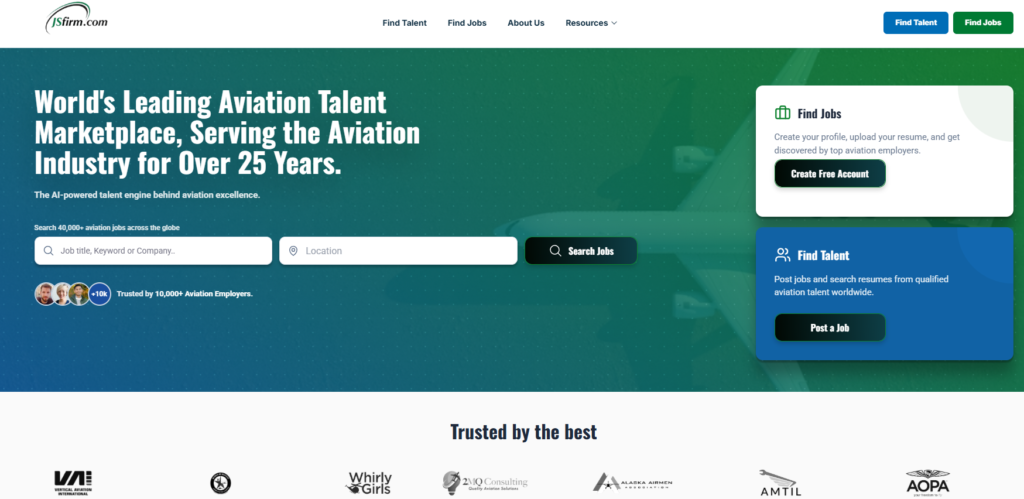
JSfirm is the strongest board for aircraft mechanics, avionics technicians, and aviation engineers. Listings come from operators worldwide and typically spell out exact FAA certification requirements.
AeroScout is a newer job board that aggregates pilot and cabin crew openings from over 850 airlines and operators, including positions posted only on airline career pages. It’s useful as a single feed that catches listings the other boards miss.
BizJetJobs focuses on corporate aviation, particularly private jet and charter positions. It operates as both a job board and a staffing service.
FindaPilot doubles as a job board and a pilot directory with global reach, so operators can find you even when you’re not actively applying.
How Do These Platforms Compare?
| Feature | Aviation Job Search | JSfirm | BizJetJobs | AeroScout |
|---|---|---|---|---|
| Best for | All pilot categories | Mechanics and engineers | Corporate pilots | Aggregated pilot and cabin crew listings |
| Profile visibility | Recruiter access | Standard listings | Staffing directory | Alert-driven |
| Filter options | Aircraft, license, region | Role-specific | Corporate focus | Aircraft type, experience, location |
Mobile experience varies. Some boards have dedicated apps, others work fine in a phone browser, and a few are still easier on a laptop.
How Do You Set Up Job Alerts?
Build a complete profile first: certifications, flight hours, and where you’re willing to be based. Then set automatic alerts filtered by aircraft type, experience level, employment type, and minimum salary. Most platforms let you choose daily or weekly delivery, which keeps your inbox useful instead of flooded.
Update your alert criteria every time you add a rating or certificate. A new type rating or your CFI can unlock an entirely different tier of listings overnight.
Are General Job Portals Worth Using for Airline Careers?
Yes, as a supplement. Indeed, LinkedIn, Glassdoor, ZipRecruiter, and Monster all carry thousands of airline industry listings, and they offer features the niche boards don’t.
Search with keywords like “pilot,” “flight attendant,” “cabin crew,” or “airline operations,” then narrow by location, salary, and experience level. Set up job alerts so new postings come to you.
Two advantages stand out. First, company reviews and self-reported salary data give you a look at culture and pay before you apply.
Second, LinkedIn connects you directly with airline recruiters and hiring managers. Follow the airlines you’re targeting, and your profile works as a searchable resume they can find on their own.
The tradeoff is noise. General portals mix airline listings with every other industry, and some specialized aviation roles never appear on them at all. Use general portals for reach, niche boards for precision, and airline career pages for speed.
What Are Airline Cadet and Pathway Programs?
For pilots specifically, one of the most overlooked ways to find airline openings online is to look before the opening exists.
Cadet and pathway programs let regional and major airlines recruit pilots who are still in training, with a conditional job offer waiting at the end.
Many regional airlines in the US run pathway programs, and their applications live on the same career pages as their standard job postings.
Flight schools with airline partnerships also connect students to these programs directly. Career-track programs like Zero Time to Airline are built around this model: you train, build hours as an instructor, and interview with partner airlines along the way instead of cold-applying at 1,500 hours.
If you’re early in training, add airline pathway pages to your search rotation now.
The application windows and requirements are posted online just like any other opening, and getting into a pipeline early can shortcut the entire job search this article covers.
How Do You Get the Most Out of an Online Airline Job Search?
A few habits separate people who land interviews from people who just browse aviation positions:
- Update your resume with aviation-specific keywords that match the postings you want
- Set alerts on multiple platforms rather than relying on one
- Apply within 48 hours of a posting going live
- Customize every application for the specific role
Check niche boards often, since aviation listings can close quickly.
Recruitment firms like Rishworth Aviation and aggregators like AeroScout specialize in matching aviation professionals with operators, and they understand certifications and hour requirements in a way general staffing agencies don’t.
Your online presence matters more than most applicants expect.
Recruiters search professional networks before jobs are ever posted, so keep every profile current. Respond quickly to recruiter messages, follow up after applying, and stay active in aviation forums and discussion groups.
Job boards and forums carry industry news and hiring chatter alongside the listings, and sometimes that’s where you hear about an opening first.
Check in daily if you can. In a market where postings appear and close within a week, consistency is the real advantage.